Unlocking Energy Security. Enabling Growth. Supporting Transition.
South Africa is facing a complex energy challenge: the need to secure reliable power while reducing emissions and building a more resilient, inclusive economy. Natural gas, and LNG in particular, has a vital role to play.
Ukwanda LNG is more than a terminal. It is a strategic response to this national need.
By creating a gateway for cleaner, flexible energy at the Port of Ngqura, Ukwanda LNG, with a capital commitment in excess of R 20 Billion (~USD 1,2 Billion), is expected to:
- Bridge the gap between unreliable supply and growing demand
- Enable new power generation and reduce South Africa’s reliance on coal and diesel
- Create jobs and skills transfer opportunities during construction and the subsequent operation and maintenance of the terminal
- Enable industrial growth across the Eastern Cape and beyond
- Catalyse investment and job creation through energy-driven development for the Coega SEZ and surrounding region
- Enhance competitiveness for local industry and power producers
- Catalyse marine bunkering, trading and industrial gas markets
- Support regional gas-to-power initiatives under IRP2025 and GASIPPPP
The Project directly supports government’s vision for a more diversified energy mix, as set out in the latest iteration of the Government’s Integrated Resource Plan (IRP), and underpins initiatives such as the Gas Independent Power Producers Procurement Programme (GASIPPPP).
It also reflects a shift in how we think about energy infrastructure, not as a state-led burden, but as a shared platform for public-private collaboration, regional empowerment and long-term sustainability.
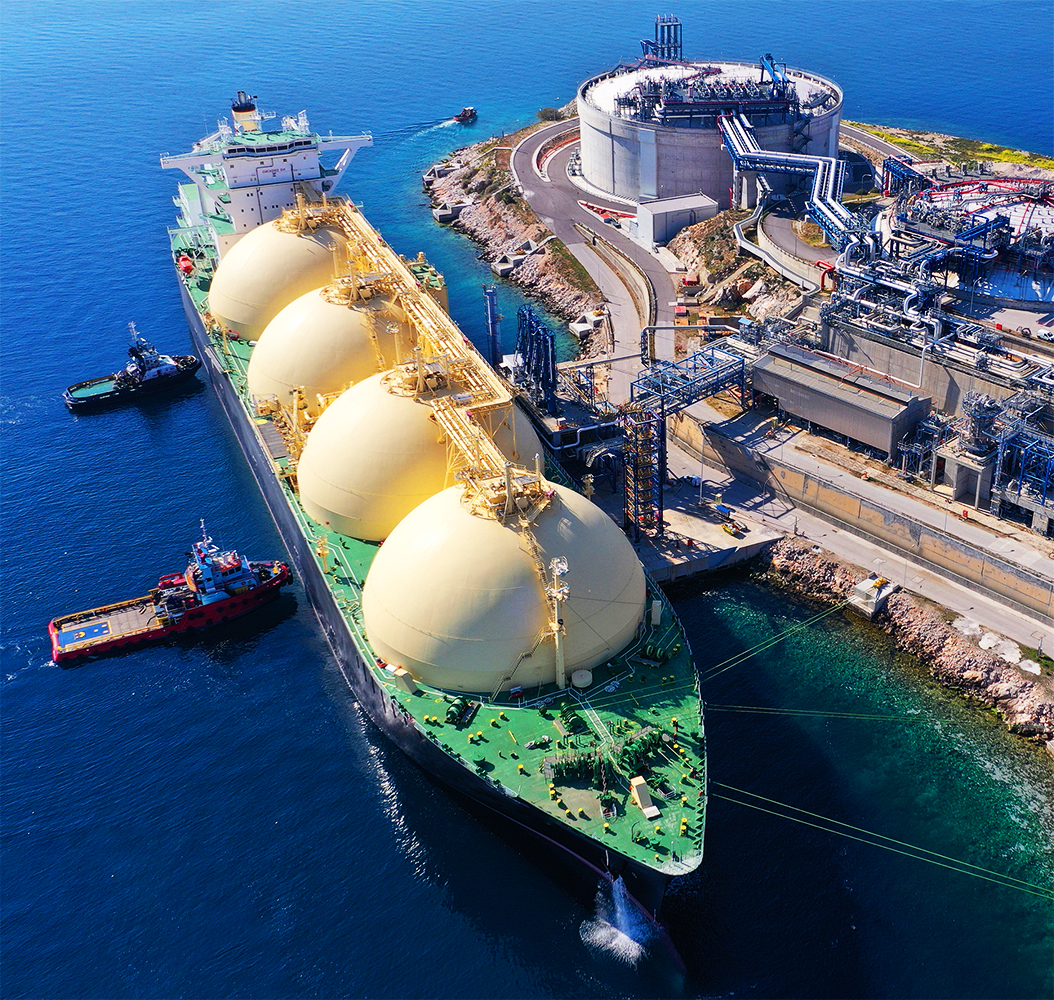
In March 2024, the LNG terminal was designated as one of 12 Strategic Integrated Projects (SIPs) under South Africa’s national infrastructure plan, fast-tracked for its critical role in supporting energy security, industrial growth, and regional development. Backed by institutions like TNPA, Infrastructure South Africa and the IDC, the project represents a coordinated public-private effort to unlock global energy opportunities through sustainable infrastructure.
Ukwanda LNG is contributing towards making it possible for South Africa to meet today’s energy needs while laying the foundations for a cleaner, more inclusive energy future.

Environmental Safeguards and Compliance
Responsible Infrastructure, Built to Last
The Ukwanda LNG Terminal is being developed with a clear and non-negotiable commitment to environmental responsibility. From design through to construction, operation and eventual decommissioning, environmental safeguards are embedded into every phase of the project.
Award winning Environmental Assessment Practitioner (EAP), EnviroCarb, has been appointed to carry out the necessary Environmental Impact Assessments applicable to the project. Impacts such as, but not limited to, marine, seismic, climate and socio-economic are being assessed to ensure that all Environmental Authorisations (EAs) are secured in line with national regulations and global best practice.
We are working closely with regulators, technical experts and local stakeholders to ensure full compliance with all applicable environmental laws, including the National Environmental Management Act (NEMA) and associated environmental authorisations.

Our Commitments Include:
Comprehensive Environmental Impact Assessments (EIAs)
The TNPA has appointed EnviroCarb to conduct the relevant EIAs for the project. Ukwanda LNG is actively participating in a Working Group with the TNPA and EnviroCarb to guide this process.
Collaborative Approach with Regulators
Given the potential development paths toward an ultimate onshore facility, multiple EIAs may be required. An Environmental Working Group is currently engaging with the Department of Forestry, Fisheries and the Environment (DFFE) to co-ordinate the scope of these assessments.
Accelerated Review Through Strategic Project Designation
The Project has been granted Strategic Integrated Project (SIP) status by the Presidential Infrastructure Coordinating Commission (PICC) through Infrastructure South Africa (ISA). This designation is expected to streamline EIA timelines while maintaining rigorous standards.
Best-practice design and engineering
Terminal infrastructure, including storage, regasification, and offloading facilities, will be designed, constructed and operated and maintained to the highest international safety, containment, and emissions control standards.
Ongoing environmental monitoring
Air, water, soil, and marine ecosystems will be monitored throughout the terminal’s life, with transparent reporting to authorities and stakeholders.
Emergency response readiness
Detailed incident response and environmental mitigation plans will be in place from day one, aligned with port authorities and national regulations.
A Sustainable Foundation
We recognise that environmental compliance is not a once-off milestone, but an ongoing responsibility. Sustainability will be embedded into our governance frameworks, risk management systems and operational procedures.
Ukwanda LNG is committed to being a responsible neighbour, a transparent partner, and a long-term contributor to a cleaner, more secure energy system for South Africa.
Socio-Economic and Community Impact
Ukwanda LNG is committed to ensuring that the development of the LNG terminal at the Port of Ngqura delivers meaningful and lasting socio-economic benefits to the people of Gqeberha and the wider Eastern Cape.
While the project is still in early phases, clear frameworks are being developed to support inclusive growth, local participation, and community partnership.
Job Creation and Skills Development
The number of jobs to be created will vary depending on the scope and timeline associated with each development phase. However, we anticipate significant direct and in-direct employment opportunities during the construction and long-term operation and maintenance phases.
Through a formal Skills Development Plan, Ukwanda LNG will require all contractors and service providers to prioritise skills development within the local region, particularly during the Operation and Maintenance of the Project. This will help build long-term technical capacity in Gqeberha and the Eastern Cape.
Community Upliftment Initiatives
Once the Project commences, Ukwanda LNG will begin implementing community-based initiatives to be rolled out at appropriate stages of the Project. These initiatives reflect Ukwanda’s commitment to shared value.
Further detail on these initiatives will be shared as the Project progresses.
Local Procurement and Supplier Development
A Supplier Development Plan forms part of ongoing engagements with the TNPA and other key stakeholders.
Ukwanda LNG will seek to maximise the use of local goods and services, to the extent that this is technically and commercially feasible. This focus is particularly strong for the long-term operations phase, where sustained local procurement can drive economic inclusion and build a reliable supplier base in the Eastern Cape.
Community and Traditional Leadership Engagement
Formal community engagements, including those with traditional leadership structures, are planned to begin once the Project commences and the scope of potential development paths for the project are confirmed. We believe that this approach supports transparency and allows for the management of key regulatory and design decisions.
Ukwanda LNG is committed to approaching these engagements with respect, realism and genuine partnership, guided by shared goals of sustainable development, inclusion and local opportunity.